
Il nostro tagliere di bambù non è solo la tua normale tavola. È realizzato in bambù di alta qualità, noto per la sua durata e forza. Con uno spesso...
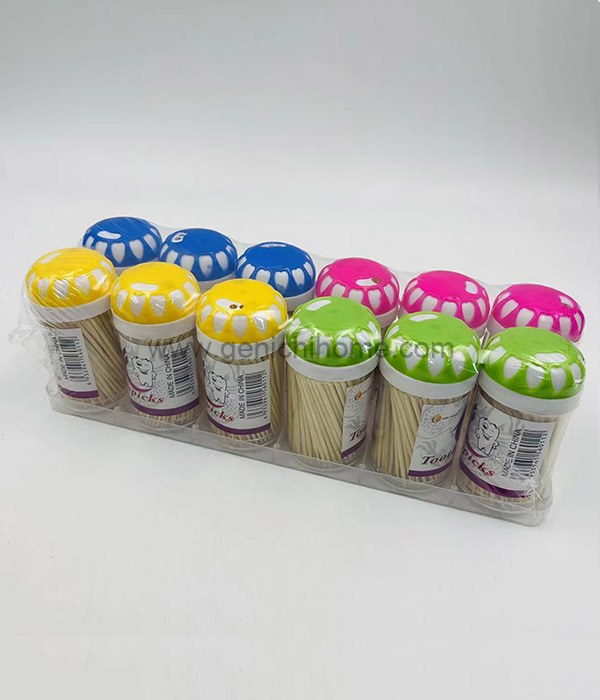
Vedi i dettagliBamboo toothpicks are generally better than traditional wooden or plastic alternatives due to their rapid renewability, natural antibacterial properties, and superior strength-to-weight ratio. Unlike slow-growing hardwoods used in conventional toothpicks, bamboo reaches maturity in just 3-5 years, making it a highly sustainable resource. Furthermore, bamboo fibers are denser, resulting in fewer splinters and a smoother experience for oral care.
For consumers prioritizing both personal health and environmental impact, switching to bamboo offers a tangible improvement without compromising functionality. The material’s natural resistance to moisture absorption also means it maintains its structural integrity longer during use compared to cheaper birch or pine options.
The primary argument for bamboo lies in its ecological footprint. Traditional wooden toothpicks often rely on birch or poplar trees, which can take decades to mature. In contrast, bamboo is a grass that regenerates from its root system after harvesting, requiring no replanting and minimal pesticide use.
Plastic toothpicks contribute significantly to microplastic pollution, as they are rarely recycled and often end up in oceans. Bamboo is 100% biodegradable and compostable, breaking down naturally within months rather than centuries. This makes disposal hassle-free and environmentally responsible.
| Material | Time to Maturity | Biodegradation Time | Pesticide Need |
|---|---|---|---|
| Bamboo | 3-5 Years | 3-6 Months | None |
| Birch Wood | 20-40 Years | 1-3 Years | Low |
| Plastic | N/A (Fossil Fuels) | 400+ Years | N/A |
Beyond ecology, the physical properties of bamboo make it a practical choice for daily oral hygiene. The dense fiber structure provides rigidity that prevents bending under pressure, a common issue with lower-quality wooden picks.
One of the most significant complaints regarding wooden toothpicks is splintering. Bamboo’s long, interlocking fibers create a smoother surface that is less prone to fracturing. This reduces the risk of gum irritation or injury, making it safer for users with sensitive gums.
Bamboo possesses inherent characteristics that promote oral health. It contains a natural antimicrobial agent known as "bamboo kun," which helps inhibit the growth of bacteria and fungi on the surface of the toothpick.
Many mass-produced wooden toothpicks are bleached using chlorine or other harsh chemicals to achieve a white appearance. High-quality bamboo toothpicks are often processed without bleach, retaining their natural golden hue and ensuring no residual toxins come into contact with your mouth.
While bamboo toothpicks may sometimes carry a slightly higher price tag than generic bulk wooden ones, the difference is negligible for most consumers. Given the superior durability and eco-benefits, the value proposition is strong. As demand for sustainable products grows, availability has increased, with many major retailers now stocking bamboo options alongside traditional brands.
Investing in bamboo toothpicks is a small change with a significant cumulative positive impact on both personal health and the planet. They offer a refined, safe, and responsible alternative that outperforms traditional materials in nearly every category.
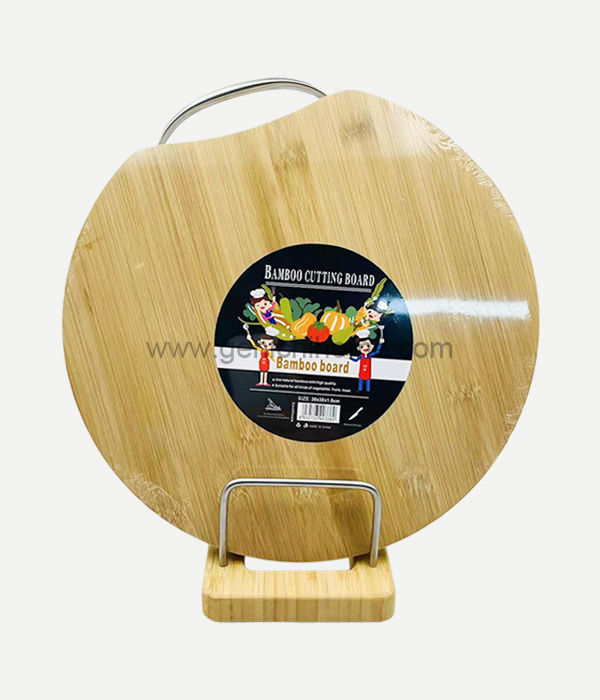
Il nostro tagliere di bambù non è solo la tua normale tavola. È realizzato in bambù di alta qualità, noto per la sua durata e forza. Con uno spesso...
Vedi i dettagli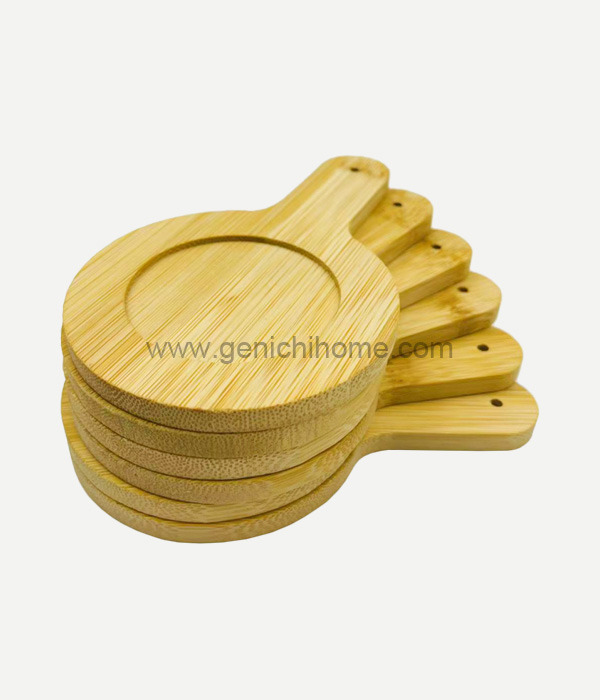
Le nostre sottobicchieri di bambù sono disponibili in due forme: rotonde e quadrate, entrambe dotate di una comoda maniglia. Questa caratteristica ...
Vedi i dettagli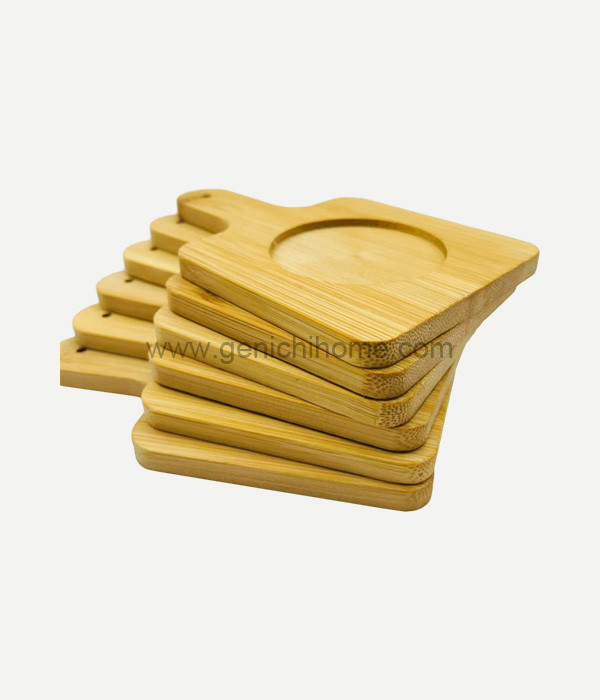
Le nostre sottobicchieri di bambù sono disponibili in due forme: rotonde e quadrate, entrambe dotate di una comoda maniglia. Questa caratteristica ...
Vedi i dettagli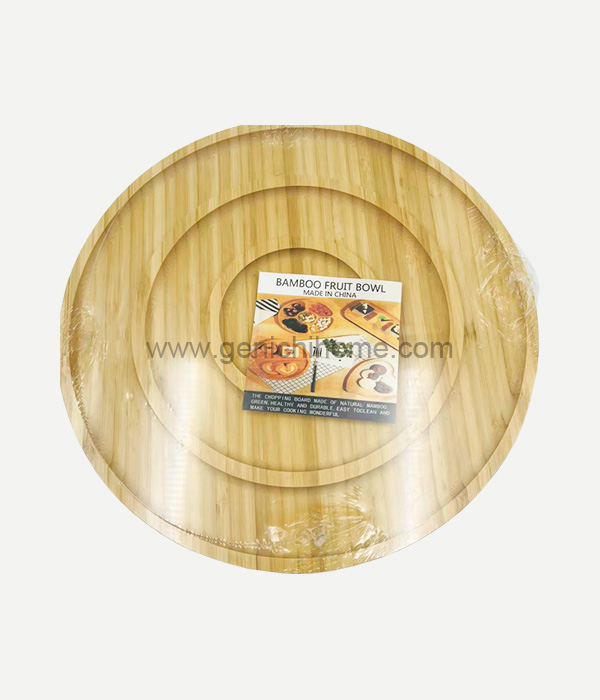
I nostri vassoi di noci sono disponibili in varie dimensioni e progetti di partizione per la selezione, in particolare per lo stoccaggio di snack, ...
Vedi i dettagli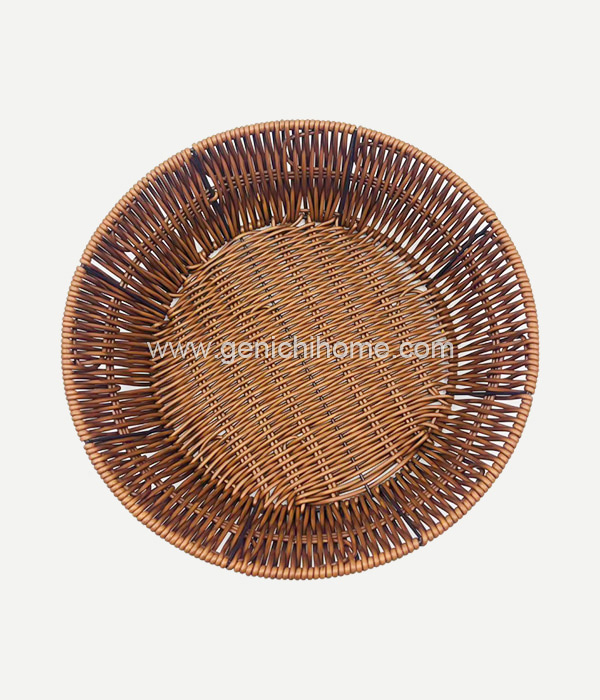
I prodotti di tessitura di Rattan sono la nostra principale serie raccomandata. Questo prodotto è tessuto con for...
Vedi i dettagliContattaci
Address: Sala 1805, Servizio di comunicazione Industrial Park, n. 183, Wenhui Road, distretto di Gongshu, città di Hangzhou, provincia di Zhejiang
E-mail: [email protected]
Collegamenti rapidi

